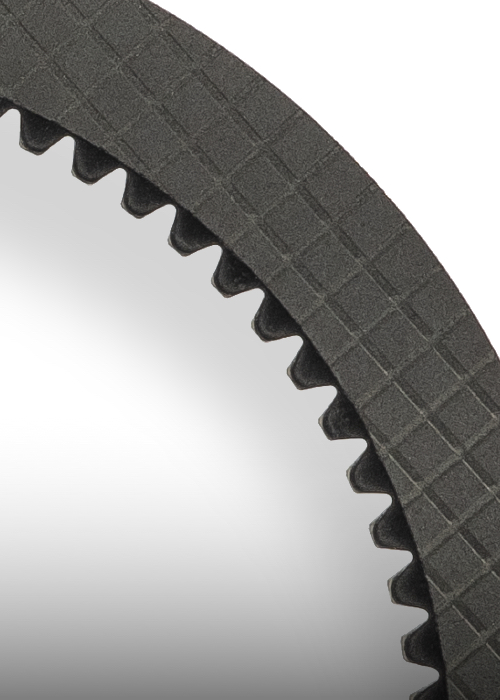
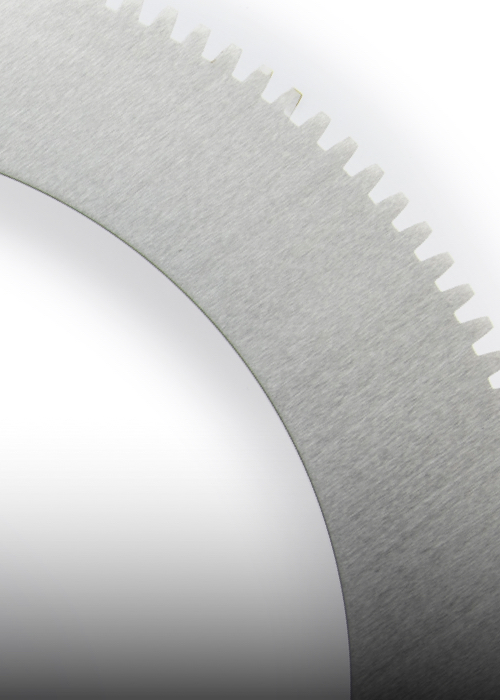
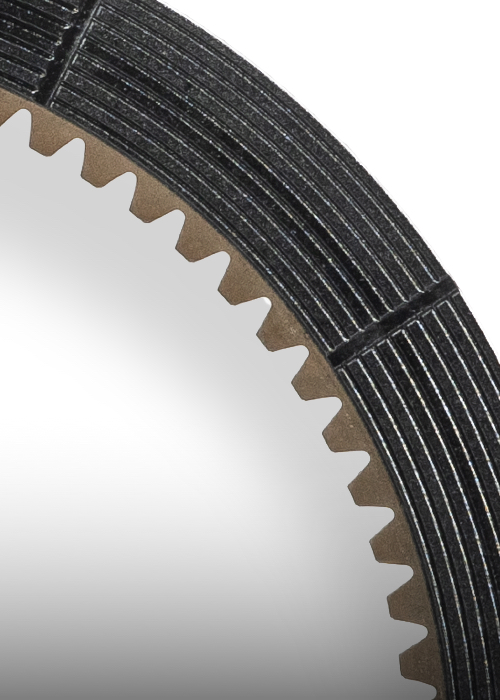
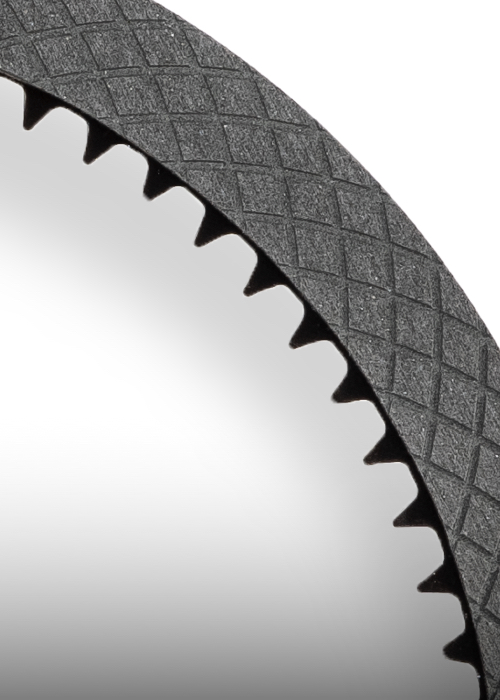
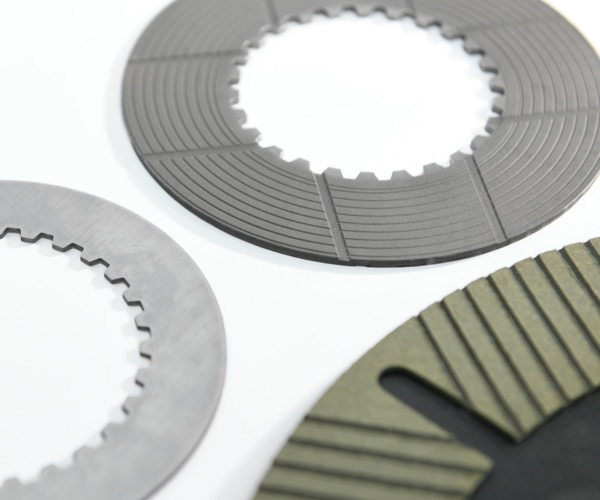
Molybdenum material friction discs

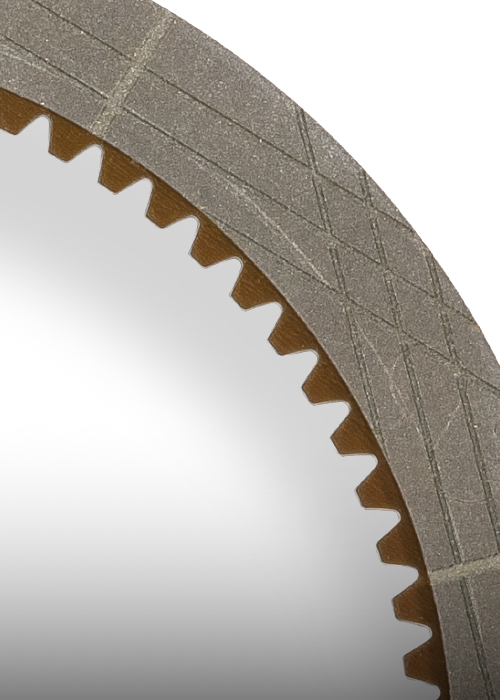
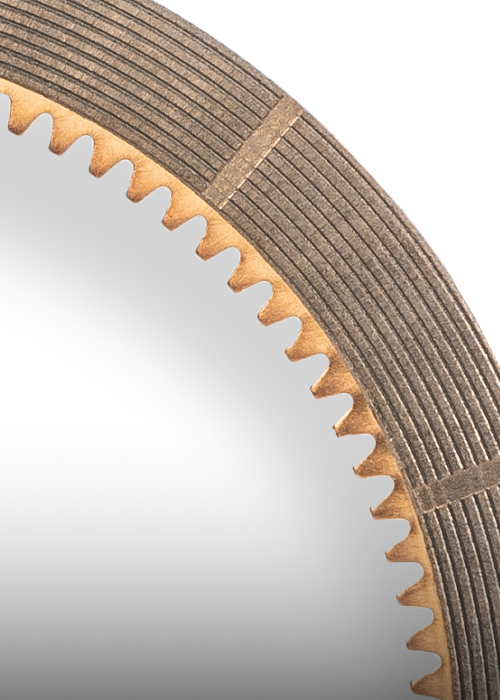
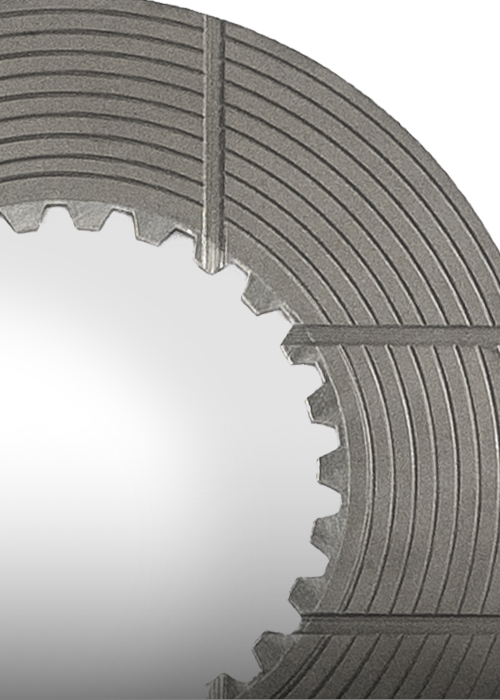
Molybdenum-coated friction discs offer numerous technical advantages that make them the preferred choice for high-performance, heavy-duty applications.

Contact us for a quote

Molybdenum is a material commonly used for low-speed and high-pressure applications due to its high wear resistance, good oil compatibility, and stable friction coefficient. Molybdenum material is usually either added as an alloy to a mixture of other metals or applied as a coating on top of a steel core plate at a thickness ranging between 0.045–0.070mm per face, helping to strengthen the plate and improve overall performance.

    Sectors we cover for molybdenum friction materials

    Materials - Molybdenum

    Heavy-duty construction

    Search products
    Materials - Molybdenum

    Agricultural equipment

    Search products
    Industrial clutches and brakes

    Industrial clutches and brakes

    Search products
    Materials - Molybdenum

    High-load transmissions

    Search products
    Materials - Molybdenum

    Exceptional thermal stability

    With a melting point of approximately 2,623°C and one of the lowest coefficients of thermal expansion among commercially used metals, molybdenum materials maintain their structural integrity and dimensional stability under extreme temperature conditions. This thermal stability ensures consistent friction performance even during prolonged high-energy engagements where heat generation is significant.

    Search Molybdenum Products
    Materials - Molybdenum

    Superior wear resistance

    Thermally-sprayed molybdenum material coatings produce hard surfaces that are highly resistant to abrasion and scuffing. The coating process creates a structure containing molybdenum oxides and controlled porosity, which contributes to improved wear characteristics compared to wrought molybdenum. This enhanced wear resistance extends component service life considerably, particularly in applications involving repetitive engagement cycles under heavy loads.

    Search Molybdenum Products
    Materials - Molybdenum

    Stable friction coefficient

    Molybdenum friction materials exhibit a remarkably stable coefficient of friction across varying operating conditions, which is crucial for applications requiring precise torque control and smooth engagement characteristics. The consistent friction behaviour helps prevent clutch shudder and chatter, ensuring reliable power transmission and enhanced operator comfort.

    Search molybdenum products

    Frequently asked questions about molybdenum materials

    • Q. What makes molybdenum suitable for low-speed, high-pressure applications?
      Answer

      Molybdenum’s unique combination of properties makes it ideal for these demanding conditions. Its high hardness and mechanical strength allow it to withstand significant compressive loads without deformation. The material’s inherent lubricity, combined with its ability to form beneficial oxide films during operation, provides a low and stable coefficient of friction even at minimal sliding speeds. Additionally, molybdenum’s excellent thermal conductivity helps dissipate frictional heat effectively, preventing localised overheating that could compromise performance.

    • Q. How does molybdenum compare to other friction materials?
      Answer

      Molybdenum occupies a specific niche within the friction materials spectrum. Compared to paper-based friction materials, molybdenum offers superior wear resistance and pressure capacity. Compared to sintered bronze or sintered powder materials, molybdenum provides excellent performance in limited-slip differential applications where its combination of friction stability and pressure resistance is particularly advantageous. Carbon friction materials may offer higher thermal capacity for extreme applications, whilst fibre composite materials provide cost-effective solutions for less demanding specifications. FMC can advise on the optimal material selection for your specific application requirements.

    • Q. What thickness of molybdenum coating is typically applied?
      Answer

      Standard molybdenum coating thickness ranges from 0.045mm to 0.070mm per face, applied via thermal spray processes onto a steel core plate. This thickness range provides the optimal balance between wear reserve, thermal management, and coating adhesion. The precise thickness specification depends on the application requirements, including expected service life, operating pressures, and the specific thermal spray process employed.

    • Q. Are molybdenum friction discs compatible with standard transmission fluids?
      Answer

      Yes, molybdenum friction materials demonstrate excellent compatibility with most transmission and hydraulic fluids used in wet clutch applications. The material’s corrosion resistance and chemical stability ensure consistent performance when operating in oil-immersed environments. However, fluid selection should always consider the complete friction system, and FMC can provide guidance on fluid compatibility for specific applications.

    • Q. What industries commonly use molybdenum friction discs?
      Answer

      Molybdenum friction materials are widely used across multiple sectors including earthmoving and construction, mining, agricultural equipment, military vehicles, marine propulsion systems, industrial machinery, and automotive performance applications. Any industry requiring reliable friction components for high-load, high-pressure wet clutch or brake applications can benefit from molybdenum friction technology.

    • Q. Can FMC manufacture custom molybdenum friction discs to specific requirements?
      Answer

      Absolutely. As specialists in wet friction materials since 1991, FMC offers comprehensive design and manufacturing capabilities for molybdenum friction discs tailored to customer specifications. Our expertise in tribology, product design, and process engineering allows us to develop solutions optimised for specific application requirements. Contact our technical team to discuss your project needs.